



Understanding the Different Types of Corneal Disease
- Posted on: Jan 15 2026
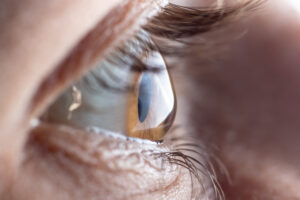 Your cornea plays a crucial role in your vision by focusing light as it enters your eye. When it becomes damaged, scarred, or misshapen, it can significantly affect how you see and how comfortable your eyes feel.
Corneal disease can describe a wide range of conditions—from genetic disorders to infections—and each requires a different approach to diagnosis and treatment. At Pamel Vision & Laser Group in New York City, Dr. Gregory Pamel provides advanced corneal care and specialized testing to identify these conditions early and recommend the most effective treatment.
Keratoconus
Keratoconus is one of the most well-known corneal diseases. It causes the cornea to thin and bulge into a cone-like shape, leading to distorted, blurry vision and increased light sensitivity. Vision often becomes difficult to correct with glasses, and patients may require specialty contact lenses or corneal cross-linking to stabilize the cornea. In more advanced cases, corneal transplantation may be necessary.
Fuchs’ Endothelial Dystrophy
This progressive condition affects the innermost layer of the cornea, known as the endothelium. These cells help maintain proper corneal hydration, and when they begin to fail, fluid builds up in the cornea and causes swelling, glare, and cloudy vision. Early stages may be managed with medications, while later stages may require procedures such as DMEK or DSEK to replace damaged endothelial cells.
Corneal Ulcers
A corneal ulcer is an open sore on the surface of the cornea, often caused by infection. Contact lens overuse, eye injury, and exposure to harmful bacteria or fungi can all trigger ulcers. Symptoms typically include severe pain, redness, tearing, and blurred vision. Prompt treatment is essential to prevent permanent scarring.
Corneal Infections (Keratitis)
Keratitis refers to inflammation of the cornea. It may be caused by bacteria, viruses (such as herpes simplex), parasites, or environmental exposure. Mild infections may respond to medicated eye drops, while more serious cases require aggressive treatment to prevent complications. Left untreated, keratitis can lead to scarring or vision loss.
Dry Eye–Related Corneal Damage
Chronic dry eye can eventually damage the corneal surface. When tears are insufficient or evaporate too quickly, the cornea becomes irritated, inflamed, and more prone to injury. Patients may experience stinging, foreign-body sensation, or fluctuating vision. Treatments range from artificial tears and warm compresses to in-office therapies that restore tear film stability.
Early Diagnosis Matters – Schedule an Appointment
Corneal disease often progresses gradually, and many patients ignore symptoms like glare, blurred vision, or persistent irritation. A comprehensive corneal evaluation by the eye doctors at Pamel Vision & Laser Group can identify issues early, when treatment is most effective.
To schedule an appointment with our talented eye team in Manhattan, contact (212) 355-2215 and receive expert guidance on protecting your long-term corneal health.
Posted in: Corneal Transplant