

Specialty Contact Lenses in NYC & Manhattan
Specialty Contact Lenses, Scleral Lenses, and EyePrintPRO™ Prosthetic Scleral Devices for Vision Improvement with Keratoconus and Corneal Irregularity
In the earliest stages of keratoconus, patients are often able to see clearly with spectacles or traditional soft contact lenses. As the condition worsens, and the shape of the cornea becomes more irregular, In most cases, glasses and traditional soft contact lenses no longer provide satisfactory vision. Specialty Contact Lenses and Devices are used to functionally/optically replace the irregular or compromised cornea surface with a new imperfection free optical surface. This corrects poor and distorted vision caused by the irregular corneal shape in keratoconus, allowing for clear vision.
Types of Specialty Contact Lenses
The specific specialty contact lenses are:
Specialty Soft Contact Lenses: These specialty soft contact lenses for keratoconus are thicker and correct for higher amounts of astigmatism than traditional soft contact lenses. These lenses can provide improved vision for patients in the early stages of keratoconus. They are often comfortable, however, the vision may only be slightly improved as these lenses, like traditional soft contact lenses, still drape to the shape of the irregular cornea allowing for some distortion to be transmitted to the retina.
Gas Permeable (GP) Contact Lenses: Also know as hard lenses or rigid gas permeable (RGP) lenses are often necessary to provide the clearest vision. These lenses eliminate the irregularity of the cornea and allow the incoming light rays to focus clearly onto the retina. On occasion a piggyback lens system will be utilized when the patient cannot tolerate the GP lens by itself. A piggyback system is the use of a traditional soft contact lens placed on the eye then a GP lens piggybacks on top of the soft lens. These lenses when ill fit can cause damage to the cornea and ocular surface leading to corneal scar formation which can permanently decrease vision. These are utilized for mild to moderate keratoconus.
Hybrid Contact Lenses: Hybrid lenses, which consist of an GP center and a soft skirt, can also be used. The concept is to provide the best of both worlds, GP vision improvement with soft lens comfort. This design of lens is not available with astigmatic correction however the GP portion of the lens can mask low degrees of irregularity and astigmatism. These lenses are best utilized in patients with early stages of keratoconus.
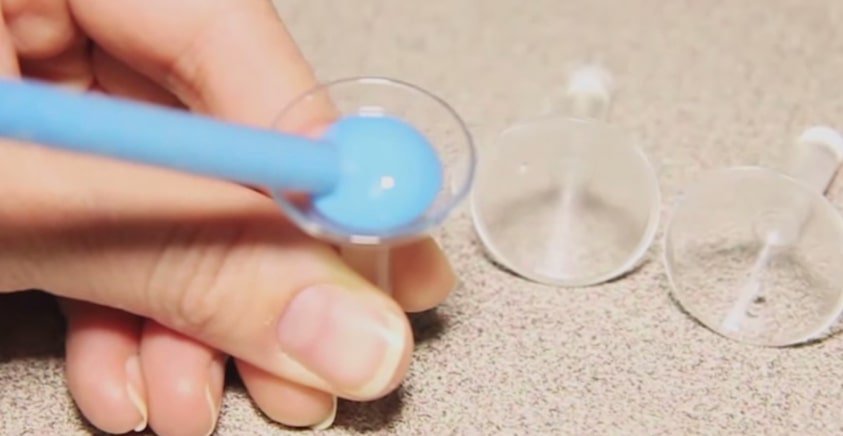
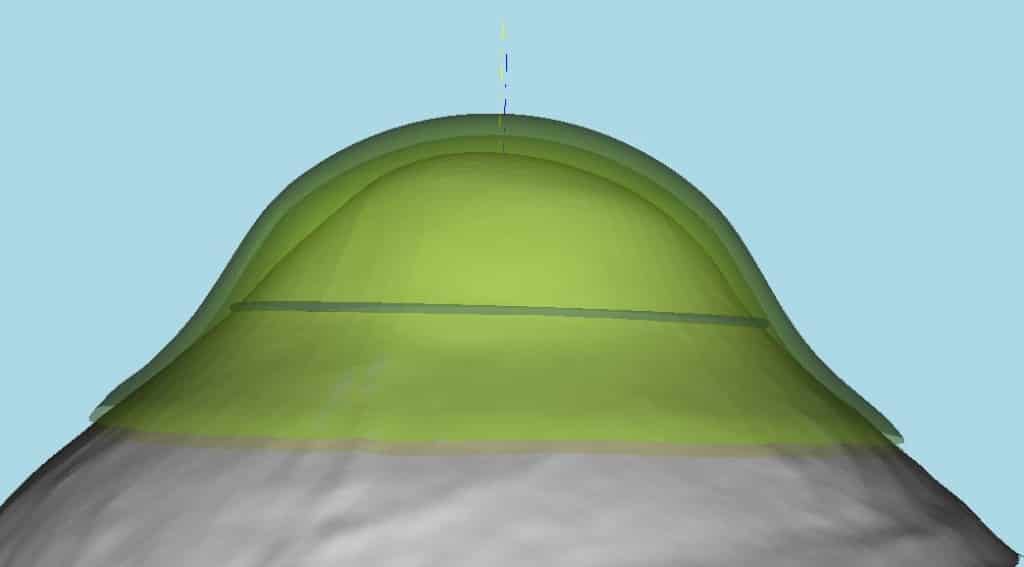
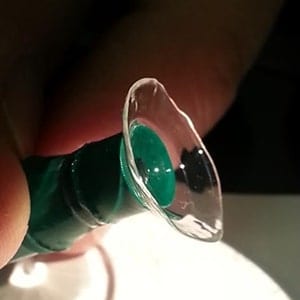
Scleral Contact Lenses: Scleral lenses are indicated for all levels of keratoconus, and are often times the only option for the most severe stages of keratoconus. Their large diameter, on average 16mm in diameter, makes them very stable on the eye. The design of the lens places all of the lens bearing on the much less sensitive conjunctiva and underlying sclera, the “white” of the eye, and vaults over the entire corneal surface making these devices more comfortable than the aforementioned lenses and generally more healthy as there is no direct contact with the cornea that could lead to scarring. The vision achieved in a scleral lens is similar to a GP lens.
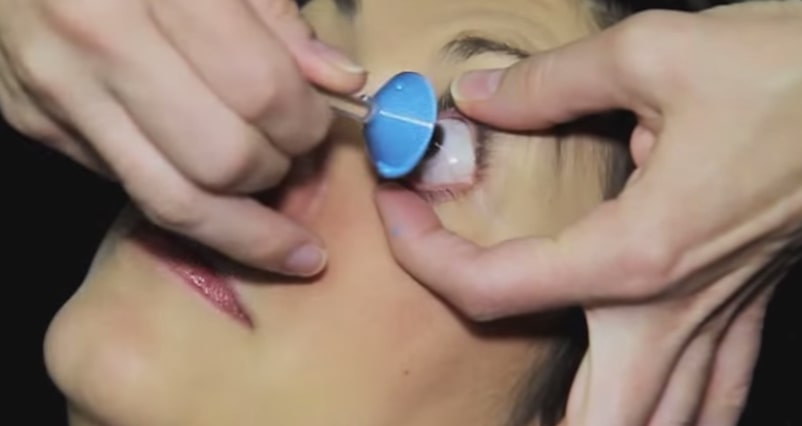
Prosthetic Scleral Devices: Created by EyePrint Prosthetics, the EyePrintPRO™ Prosthetic Scleral Device is by far the most advanced device to correct vision distorted by keratoconus. The EyePrintPRO™ device is a prosthetic scleral cover shell which improves vision by creating a new, smooth, refractive surface for the eye. Unlike contact lenses, the EyePrintPRO™ device is not constrained to typical fabrication and therefore can match the exact contour of any eye even in the most difficult conditions where other options have failed. In many ways, the EyePrintPRO™ Prosthetic Scleral Device is similar to a scleral lens. It is made of the same FDA approved oxygen permeable materials and the fit vaults the cornea while landing on the sclera.
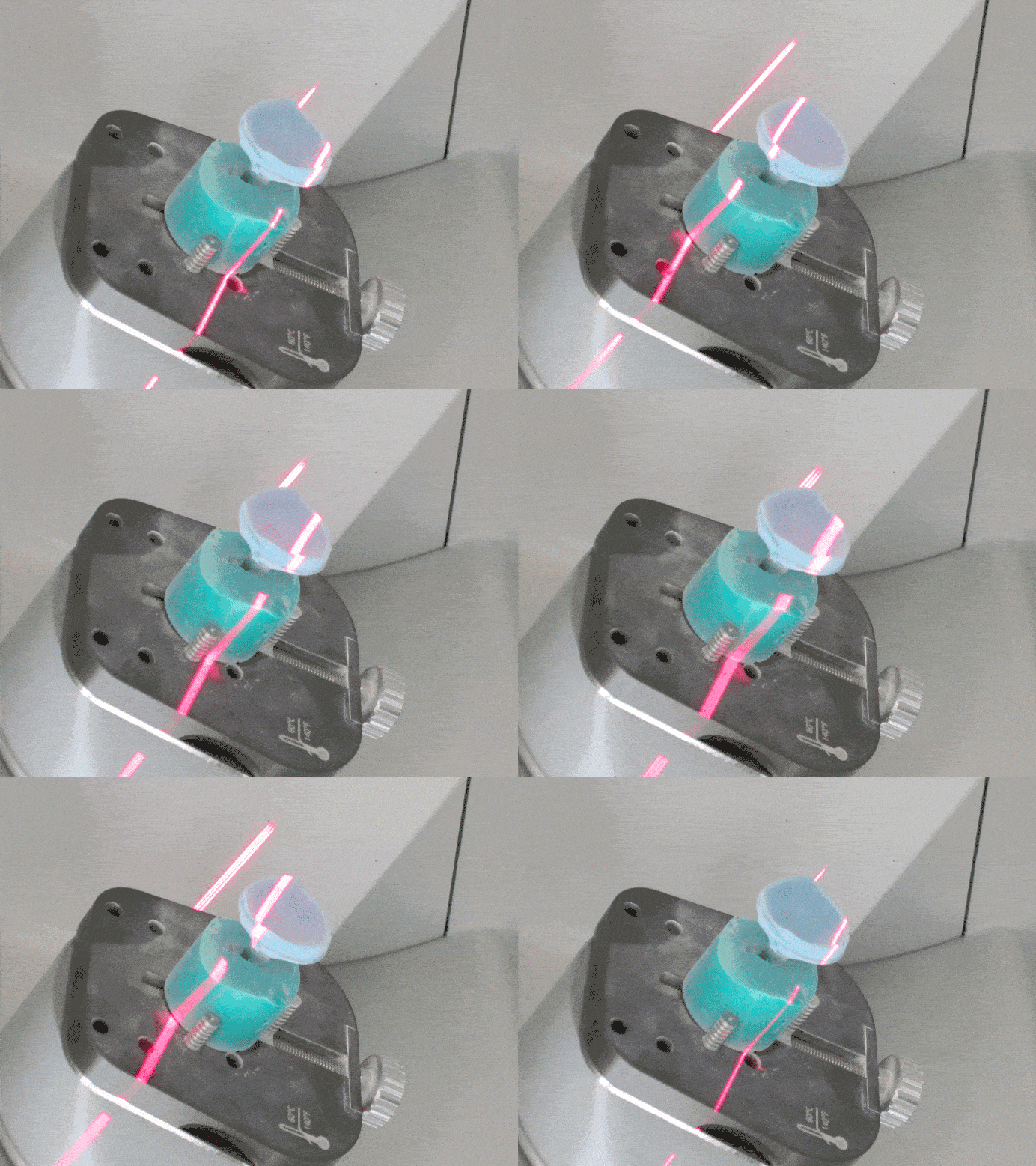
The difference, however, is in the design process. While scleral lenses (and all other lenses for keratoconus) are fit through a system of trial and error with prefabricated lenses, the EyePrintPRO™ device is made from an impression of the ocular surface, just like a prosthetic eye. Instead of using a series of standardized curvatures as with scleral lenses (and all other lenses for keratoconus), the Prosthetic Scleral Device is generated to exactly match the unique irregularities of the patient’s eye. Because of the precise nature of the back surface fit, advanced individualized optics can be placed on the front surface of the device, creating exactly what you need for the best vision and comfort. It can be successfully fit when scleral lenses or PROSE devices have failed. Additionally this impression mould fitting system drastically reduces the time needed for fitting.
Scleral Lenses And EyePrinetPRO™ Prosthetic Scleral Devices For Therapeutic Rehabilitation In Dry Eye And Ocular Surface Disease
For individuals with vision affected by severe ocular surface disease, therapeutic Specialty Contact Lenses, Scleral Lenses, and EyePrintPRO™ Prosthetic Scleral Devices can help improve your quality of life by restoring your vision and ocular comfort, as well as preventing further damage to the ocular surface. These devices are indicated for individuals with the most forms of dry eye and ocular surface diseases. Our doctors work extensively with therapeutic and visually rehabilitative devices and have helped suffering patients from all over the world. By utilizing the most advanced technology and fitting techniques combined with the latest materials and advanced designs, our contact lens specialist will determine the appropriate device for your individual needs. Remember all of the aforementioned lenses (with the exception of the EyePrintPRO™ device) are fit in a series of multiple refinements. The process of achieving a comfortable and healthy lens will take time. This particular lens system is not covered by insurance. Additionally Dr. Pamel works with a number of contact lens physicians who may accept insurance.
These devices are specially designed to rest on the conjunctiva and underlying sclera, the “white” of the eye, and vault over the entire corneal surface. The cornea is one of the most sensitive tissues in the body and the one most damaged by dry eye and ocular surface disease, by vaulting over it and resting on the much less sensitive sclera these devices can provide a relief and protection unseen in traditional treatments. The vaulting creates a space between the cornea and the back surface of the device. This space is filled with fluid and acts as a “tear bandage” which bathes the corneal surface to provide comfort, protection, and healing for people with diseases that affect the ocular surface. This therapeutic use can rehabilitate the cornea and prevent further damage caused by various diseases. Examples include:
- Exposure keratitis
- Graft versus host disease
- Stevens-Jonhnson disease
- Severe dry eye caused by Sjögren’s syndrome, rheumatoid arthritis, or other inflammatory conditions
- Persistent corneal ulcer
Who Is a Candidate for Specialty Contact Lenses?
Specialty Contact Lenses, Scleral Lenses, and EyePrintPRO™ Prosthetic Scleral Devices are designed for patients whose vision cannot be adequately corrected with traditional glasses or soft contact lenses. These advanced devices are commonly recommended for individuals with keratoconus at any stage, including patients whose condition has progressed beyond the effectiveness of conventional lenses.
They are also highly beneficial for patients with corneal scarring, pellucid marginal degeneration, post-LASIK ectasia, or irregular corneas following corneal transplant surgery. In addition, individuals suffering from severe dry eye syndrome or ocular surface disease may benefit from therapeutic scleral devices that protect and hydrate the cornea while improving vision.
Many patients seeking specialty lenses have previously struggled with poor lens tolerance or unsuccessful fittings elsewhere. Because every cornea is unique—particularly in cases of disease or distortion—customization and expertise are essential for achieving both comfort and visual clarity.
What to Expect During the Specialty Lens Fitting Process
The fitting process for specialty lenses is more detailed than that of traditional contact lenses. It begins with advanced diagnostic imaging to evaluate corneal shape, thickness, and overall ocular surface health. Precise measurements allow for customized planning tailored to each patient’s anatomy.
For scleral lenses and other specialty designs, multiple refinement visits may be required to optimize fit, comfort, and vision. While this process takes time, careful adjustments ensure long-term safety and performance.
For patients who qualify for EyePrintPRO™, the process is even more individualized. A gentle impression of the ocular surface is taken, capturing the exact contours and irregularities of the eye. This impression is digitally scanned and used to fabricate a fully customized prosthetic scleral device that precisely matches the patient’s anatomy. Because the fit is impression-based rather than trial-and-error, it often reduces the number of adjustments needed and provides exceptional stability and clarity.
Patients are carefully guided through adaptation and proper lens care to promote comfort and ocular health.
Why Choose Pamel Vision & Laser Group for Specialty Contact Lenses?
Fitting Specialty Contact Lenses for keratoconus and corneal disease requires extensive expertise and advanced technology. Dr. Pamel and his team have significant experience managing complex corneal conditions and rehabilitating vision in patients who have struggled with traditional options.
As a referral center for advanced corneal disease in NYC and Manhattan, the practice frequently works with patients who have failed prior contact lens fittings. By combining detailed diagnostic imaging, customized device selection, and meticulous follow-up care, Pamel Vision & Laser Group provides individualized solutions designed for long-term success.
With offices in Manhattan and Astoria, patients have access to highly specialized corneal and specialty lens care in a comprehensive ophthalmology setting.
Schedule Your Specialty Contact Lens Consultation in NYC
If glasses or traditional contact lenses are no longer providing clear, comfortable vision, Specialty Contact Lenses or EyePrintPRO™ Prosthetic Scleral Devices may offer the customized solution you need. Dr. Gregory Pamel and the team at Pamel Vision & Laser Group provide advanced specialty lens fitting for keratoconus, corneal irregularity, and ocular surface disease in Manhattan and Astoria.
To learn more about Specialty Contact Lenses in NYC and determine the most appropriate option for your eyes, contact Pamel Vision & Laser Group at (212) 355-2215 to schedule your comprehensive evaluation.